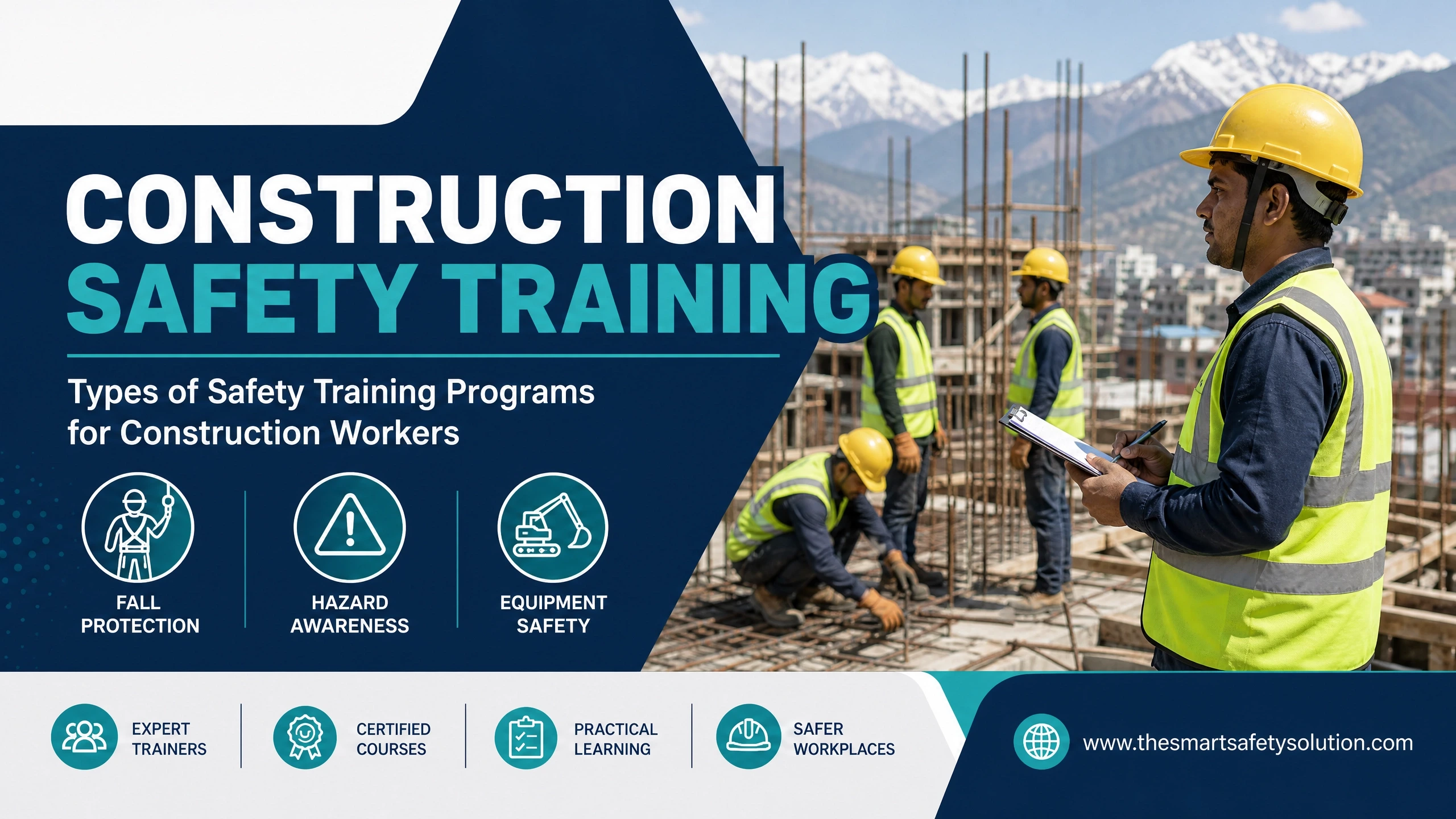
Construction sites are dynamic environments, bustling with activity, heavy machinery, and intricate processes. While these sites are the bedrock of development, they also harbor inherent risks that can lead to serious injuries or even fatalities. Ensuring the well-being of every worker is not just a moral imperative but a fundamental aspect of successful project delivery. This is where construction safety training becomes indispensable. By equipping workers with the knowledge and skills to identify, assess, and mitigate hazards, we can collectively foster a culture of safety that protects lives and promotes efficiency.
This article delves into the various types of essential safety training programs specifically designed for construction workers, highlighting their significance in creating safer workplaces, including the growing importance of safety training in Nepal and other developing regions.
Why Construction Safety Training is Crucial?
Investing in robust safety training for construction workers is a cornerstone of responsible construction management. Its importance extends far beyond mere compliance, impacting every facet of a project from worker welfare to financial stability.
Reducing Accidents and Injuries
The construction industry consistently ranks among the most hazardous sectors globally. Statistics frequently underscore the alarming rate of accidents, injuries, and fatalities that occur on job sites. Proper construction safety training directly addresses this by teaching workers how to recognize potential dangers, implement preventative measures, and respond effectively in emergencies. This proactive approach significantly reduces the likelihood of incidents, safeguarding the physical integrity of the workforce.
Ensuring Compliance
Regulatory bodies, such as the Occupational Safety and Health Administration (OSHA) in the United States, establish stringent safety standards that construction companies must adhere to. These regulations often mandate specific types of safety training for construction workers, making compliance a legal necessity. Failure to meet these requirements can result in hefty fines, legal penalties, and reputational damage. Comprehensive training programs ensure that companies and their employees are fully compliant with all relevant safety legislation.
Boosting Productivity and Morale
A safe working environment is a productive working environment. When workers feel secure and valued, their morale improves, leading to increased focus, efficiency, and overall job satisfaction. Conversely, a workplace plagued by frequent accidents or a perceived lack of safety measures can breed anxiety, absenteeism, and high turnover rates. Effective construction safety training programs cultivate a sense of trust and professionalism, empowering workers to perform their duties confidently and without undue fear.
Cost Savings
The financial implications of workplace accidents are substantial. They include direct costs such as medical expenses, workers’ compensation claims, and property damage, as well as indirect costs like lost productivity, investigation time, and legal fees. By preventing accidents, construction safety training translates into significant cost savings for businesses. Reduced insurance premiums, fewer compensation payouts, and avoidance of legal battles contribute directly to a healthier bottom line.
Key Types of Construction Safety Training Programs
To effectively address the diverse hazards present on construction sites, a range of specialized training programs has been developed. These programs cater to different roles, risks, and regulatory requirements, ensuring that every worker receives the appropriate instruction.
OSHA 10-Hour and 30-Hour Construction Safety Training
These are perhaps the most widely recognized construction safety training courses. The OSHA 10-Hour program is designed for entry-level workers, providing a foundational understanding of common construction hazards and OSHA standards. The OSHA 30-Hour program, on the other hand, is tailored for supervisors, foremen, and safety directors, offering a more in-depth exploration of safety management, hazard identification, and regulatory compliance. Both certifications are crucial for demonstrating a commitment to safety and are often a prerequisite for employment on many construction projects.
Fall Protection Training
Falls remain a leading cause of serious injuries and fatalities in construction. Fall protection training is therefore paramount. This program educates workers on the proper use of personal fall arrest systems (PFAS) such as harnesses and lanyards, the importance of guardrails and safety nets, and safe practices for working at heights. It also covers ladder safety, emphasizing correct setup, inspection, and usage to prevent falls from elevated surfaces.
Scaffold Safety Training
Scaffolds are essential temporary structures on many construction sites, but they also pose significant risks if not properly erected, used, or dismantled. Scaffold safety training covers critical aspects such as scaffold inspection, understanding load capacities, ensuring safe access and egress, and implementing fall prevention measures specific to scaffold work. This training is vital for anyone involved with scaffolds, from erectors to users.
Excavation and Trenching Safety Training
Excavation and trenching operations are inherently dangerous, with the risk of trench collapses being a primary concern. This specialized training focuses on identifying soil types, understanding the principles of shoring, sloping, and shielding to prevent cave-ins, and establishing safe entry and exit procedures. It also covers the recognition of hazardous atmospheres within excavations and the necessary precautions to take.
Hazard Communication (HAZCOM) Training
Construction sites often involve a variety of chemicals and hazardous materials. Hazard Communication training (HAZCOM) ensures that workers understand the risks associated with these substances. It covers how to interpret Safety Data Sheets (SDS), recognize hazard labels, safely handle and store hazardous materials, and respond appropriately in the event of a spill or exposure. This training is critical for preventing chemical-related injuries and illnesses.
Personal Protective Equipment (PPE) Training
Personal Protective Equipment (PPE) acts as a crucial barrier between workers and hazards. PPE training instructs workers on the correct selection, proper use, and routine maintenance of various PPE, including hard hats, safety glasses, hearing protection, gloves, high-visibility clothing, respirators, and safety footwear. Understanding when and how to use PPE effectively is fundamental to personal safety on any construction site.
Electrical Safety Training
Working with electricity presents significant risks, including electrocution, burns, and arc flashes. Electrical safety training educates workers on identifying electrical hazards, implementing lockout/tagout (LOTO) procedures to de-energize equipment, and safely operating electrical tools and machinery. This training is vital for preventing electrical accidents and ensuring a safe working environment around power sources.
Heavy Equipment Operation Safety Training
Operating heavy machinery like excavators, bulldozers, cranes, and forklifts requires specialized skills and a deep understanding of safety protocols. Heavy equipment operation safety training covers pre-operation checks, safe operating practices, understanding load limits, maintaining clear communication with other workers, and emergency procedures. This training is essential for preventing accidents involving heavy machinery, which can have catastrophic consequences.
First Aid and CPR Training
Despite all preventative measures, accidents can still occur. First Aid and CPR training equips workers with the immediate skills to respond to injuries and medical emergencies on site. This includes comprehensive first aid training for common construction injuries, cardiopulmonary resuscitation (CPR), and increasingly, basic life support (BLS) training and the use of automated external defibrillators (AEDs). Having trained personnel on-site who can provide immediate care can significantly improve outcomes in critical situations.
Fire Safety Training
Construction sites often involve flammable materials and hot work, making fire a constant threat. Fire safety training teaches workers how to identify fire hazards, implement preventative measures, and respond effectively if a fire breaks out. This includes instruction on the proper use of fire extinguishers, understanding hot work permit requirements, and knowing emergency evacuation procedures.
Elements of an Effective Construction Safety Training Program
Beyond the specific types of training, the effectiveness of any construction safety training program hinges on several key elements:
- Customization: Training should be tailored to the specific hazards and tasks present on a particular job site. A one-size-fits-all approach is rarely sufficient.
- Hands-on and Practical: Learning by doing is crucial. Training should emphasize real-world scenarios, practical demonstrations, and hands-on exercises to ensure workers can apply their knowledge effectively.
- Regular Refreshers: Safety knowledge and skills can fade over time, and regulations can change. Regular refresher training and ongoing education are essential to keep workers updated and vigilant.
- Qualified Instructors: The quality of instruction directly impacts learning outcomes. Training should be delivered by experienced, certified safety professionals who possess both theoretical knowledge and practical field experience.
- Documentation: Maintaining thorough records of all training provided, including attendance, topics covered, and assessment results, is vital for compliance, auditing, and tracking the effectiveness of the program.
Choosing the Best Construction Safety Training Program
Selecting the best construction safety training involves careful consideration of several factors:
- Regulatory Requirements: Ensure the program meets or exceeds all applicable OSHA and local safety regulations.
- Specific Site Hazards: Identify the unique risks of your construction projects and choose training that directly addresses those hazards.
- Accreditation and Reputation: Opt for accredited training providers with a proven track record of delivering high-quality, effective safety education.
- Training Methods: Consider a blend of in-person, online, and video-based training to accommodate different learning styles and schedules, while prioritizing hands-on components where practical skills are essential.
Conclusion
Construction safety training is not merely a regulatory obligation; it is a fundamental investment in the well-being of workers and the overall success of construction projects. By understanding and implementing various types of safety training in construction, companies can significantly reduce accidents, ensure compliance, boost productivity, and foster a positive safety culture. Prioritizing comprehensive and effective safety training is a testament to a company’s commitment to its most valuable asset: its people.
Frequently Asked Questions (FAQs)
Construction safety training refers to educational programs designed to equip construction workers with the knowledge and skills necessary to identify, prevent, and respond to hazards on a construction site. The goal is to minimize accidents, injuries, and fatalities, and ensure compliance with safety regulations.
Safety training is crucial for construction workers because the industry is inherently high-risk. It helps reduce accidents and injuries, ensures compliance with legal safety standards (like OSHA), improves worker morale and productivity, and ultimately leads to significant cost savings for companies by preventing costly incidents.
Some of the main types of safety training in construction include OSHA 10-Hour and 30-Hour training, Fall Protection, Scaffold Safety, Excavation and Trenching Safety, Hazard Communication (HAZCOM), Personal Protective Equipment (PPE) training, Electrical Safety, Heavy Equipment Operation Safety, First Aid and CPR, and Fire Prevention and Protection training.
The OSHA 10-Hour construction safety training is an entry-level program designed for general construction workers. It covers common safety and health hazards on construction sites and provides an overview of OSHA standards, helping workers understand their rights and responsibilities.
The frequency of construction safety training depends on the specific type of training, regulatory requirements, and changes in job tasks or equipment. Generally, refresher training is recommended annually or whenever new hazards are introduced, or a worker's job responsibilities change.