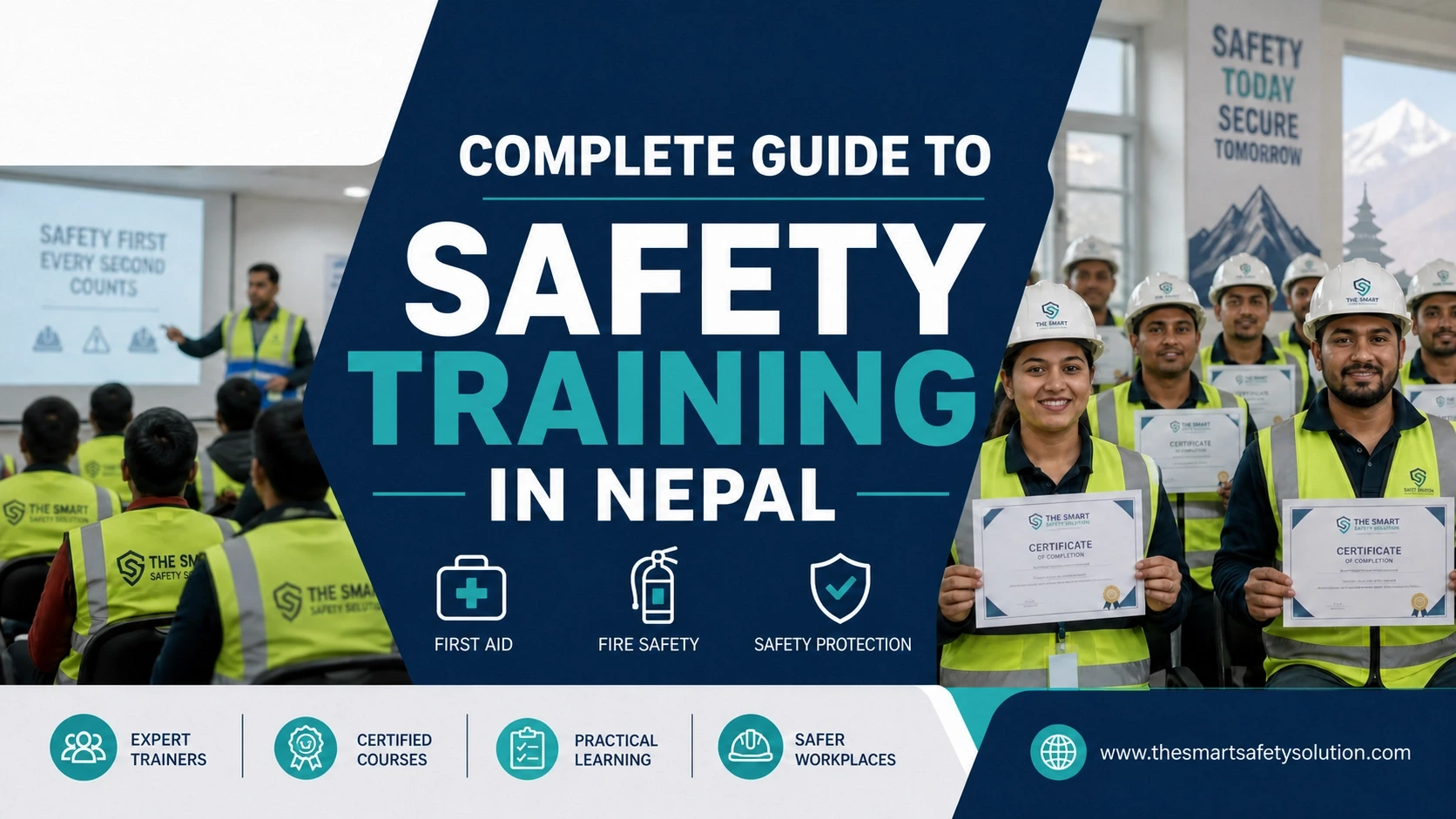
In Nepal’s rapidly developing industrial and corporate landscape, the importance of robust safety protocols has never been more critical. As businesses expand and new sectors emerge, ensuring a safe working environment is no longer merely a best practice but a fundamental necessity. The Labor Act 2074 mandates that employers provide a safe and healthy workplace, making safety training in Nepal an indispensable investment for both compliance and operational excellence.
This comprehensive guide aims to illuminate the landscape of safety training in Nepal, offering a detailed overview of available courses, the essential certification processes, and the tangible benefits these programs deliver for individuals and organizations alike. Whether you are an HR manager, a business owner, an aspiring safety professional, or an employee seeking to enhance your safety skills, this guide will serve as your definitive resource.
The Undeniable Benefits of Safety Training in Nepal
Investing in comprehensive safety training yields multifaceted advantages, directly impacting an organization’s bottom line, reputation, and most importantly, the well-being of its workforce. For individuals, it translates into enhanced career prospects and the invaluable ability to respond effectively in emergencies.
For Organizations: Building Resilient and Compliant Workplaces
Effective safety training is a cornerstone of a resilient and compliant workplace. It ensures that businesses not only adhere to national Occupational Safety and Health (OSH) standards but also proactively mitigate risks. By meeting the stringent requirements set forth by the Department of Labor and Occupational Safety, organizations can avoid costly penalties and legal liabilities. Proactive safety measures, driven by effective training, demonstrably lead to fewer workplace accidents, which in turn reduces insurance premiums and minimizes operational downtime. This approach also fosters a strong safety culture, where behavior based safety training transforms employee mindsets from mere compliance to genuine care and responsibility. Ultimately, a safe environment boosts employee confidence, reduces stress, and enhances overall productivity and retention.
For Individuals: Advancing Careers and Protecting Lives
For individuals, safety training offers a pathway to acquiring critical, life-saving skills that are invaluable both professionally and personally. Certifications, such as those obtained through health and safety training in Nepal, can significantly enhance career prospects, opening doors to new professional opportunities in various industries. Beyond career advancement, the personal empowerment derived from knowing how to respond effectively in emergencies provides a profound sense of confidence and preparedness.
Comprehensive Safety Training Courses Available in Nepal
Nepal offers a diverse range of safety training courses designed to address the specific needs of various industries and occupational hazards. These programs equip participants with the knowledge and practical skills necessary to prevent accidents and respond to emergencies.
Essential Emergency Response Training
Emergency response training forms the bedrock of workplace safety, preparing individuals to act decisively when every second counts.
- First Aid Training: This fundamental first aid training course covers immediate care for injuries and sudden illnesses, including wound management, fracture immobilization, and basic resuscitation techniques. It is essential for every workplace, empowering employees to provide initial assistance before professional medical help arrives. The Smart Safety Solution is a leading provider of such vital training.
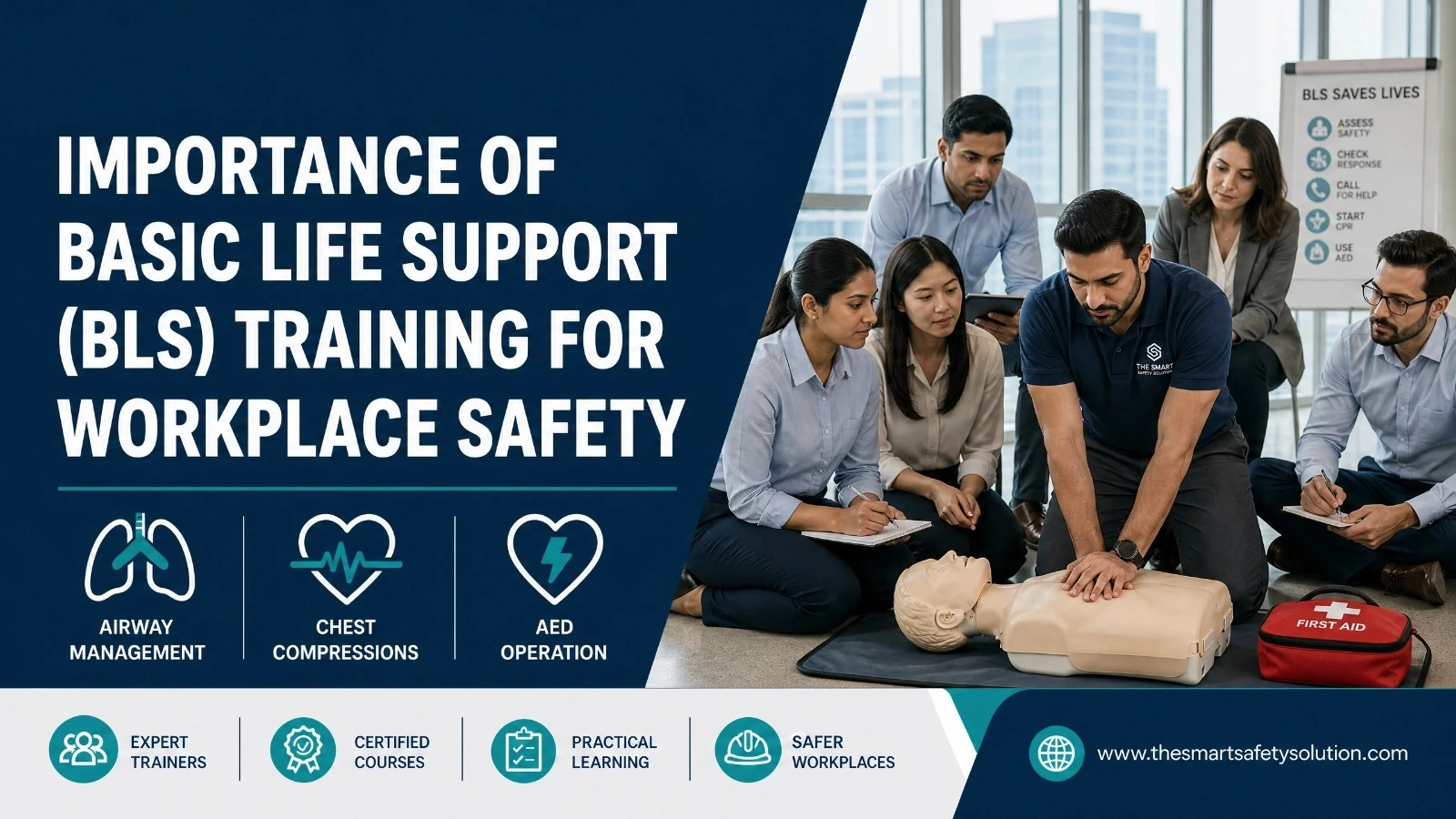
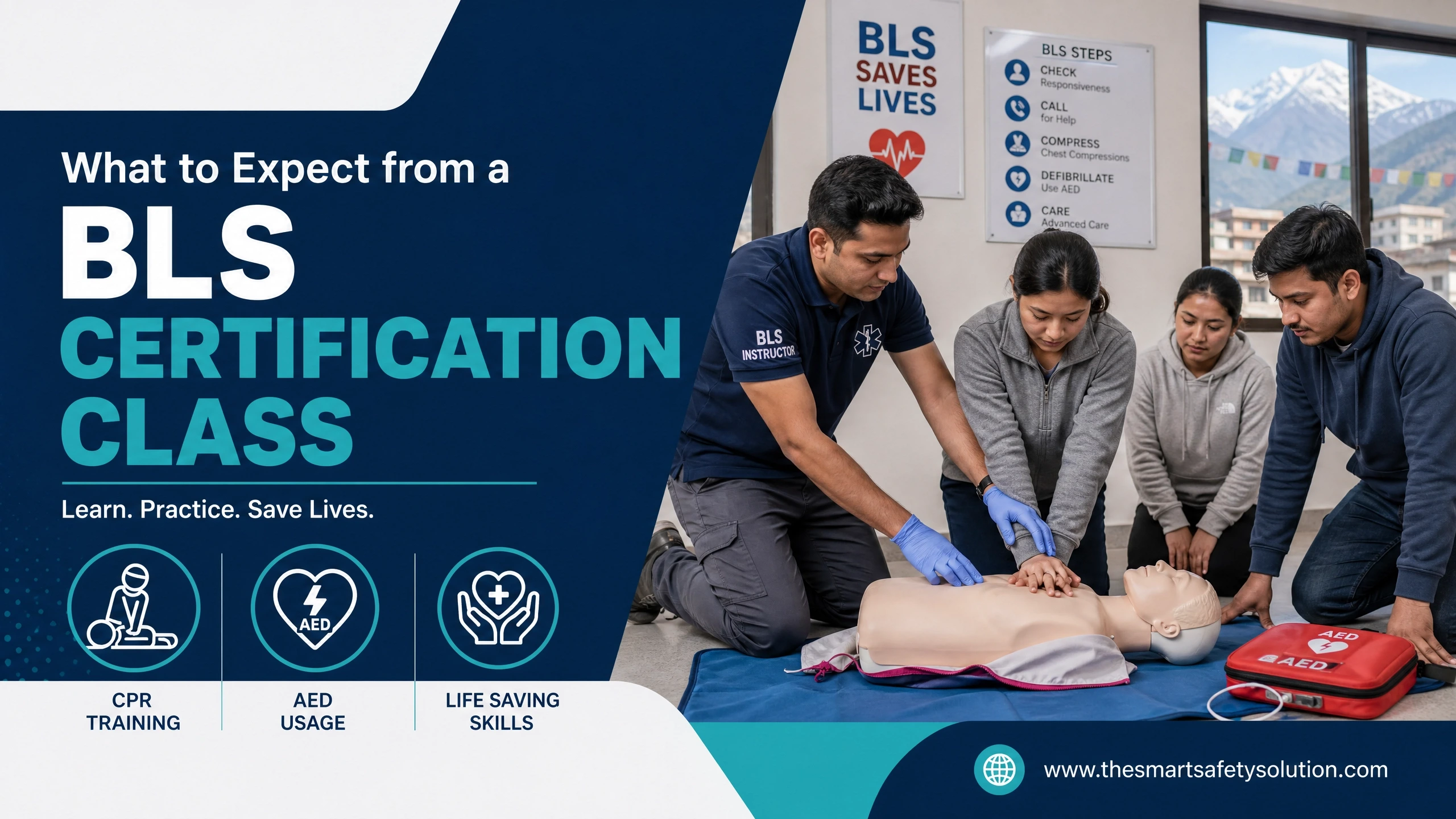
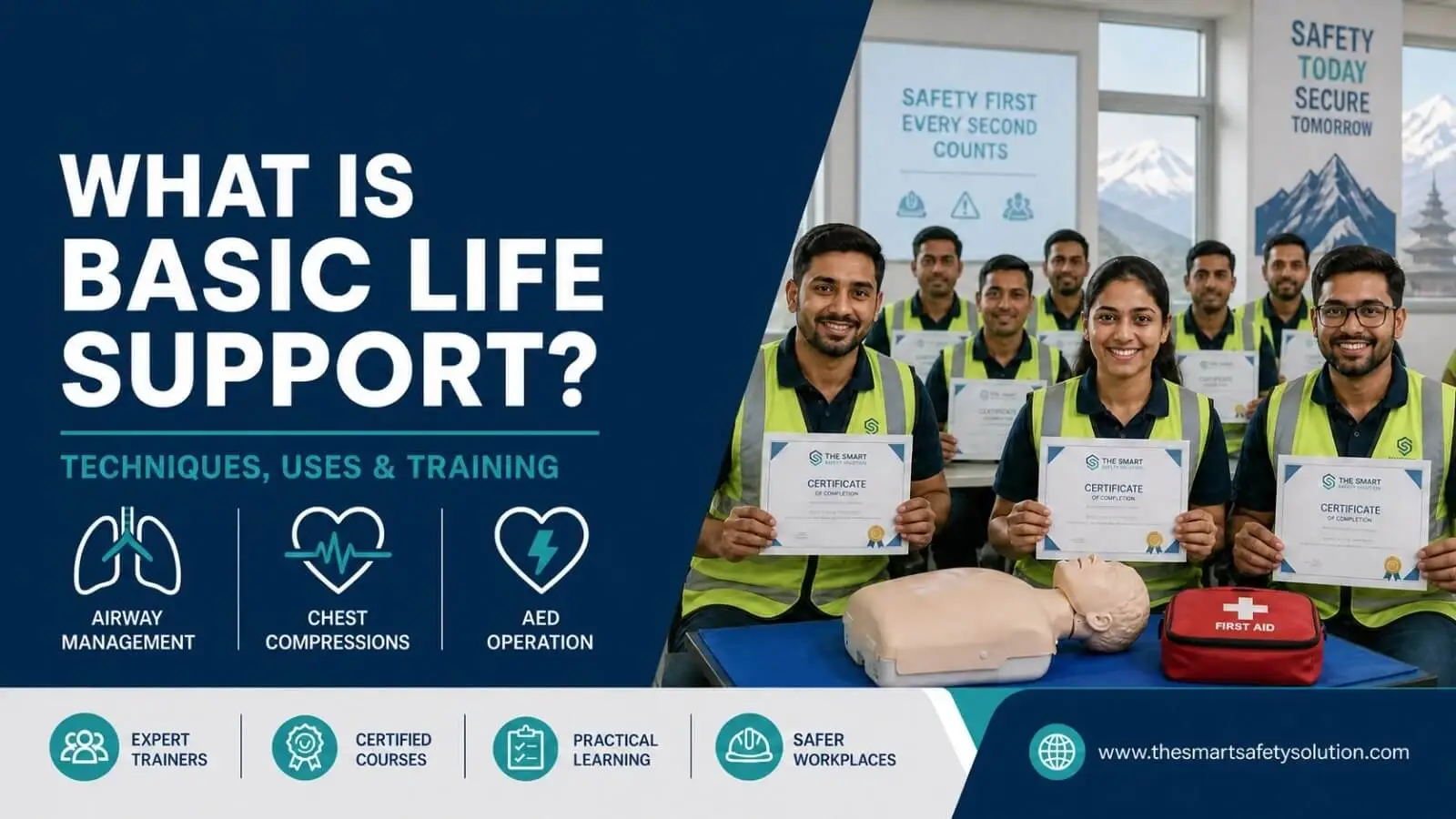
- Basic Life Support (BLS) Training: Going beyond basic first aid, Basic Life Support (BLS) training focuses on critical life-saving techniques such as Cardiopulmonary Resuscitation (CPR), airway management, and the use of Automated External Defibrillators (AEDs). The Smart Safety Solution specializes in BLS, offering expert-led programs that instill confidence and competence in emergency medical response.
- Fire and Safety Training: This crucial fire safety training educates participants on fire prevention strategies, identifying common fire hazards, the correct use of various types of fire extinguishers, and developing effective emergency evacuation drills. It is vital for minimizing risks and ensuring a coordinated response during fire incidents.
Specialized Occupational Safety Courses
Beyond general emergency response, specialized training addresses industry-specific risks and regulatory requirements.
- Health and Safety Representative Training: This program empowers designated individuals within an organization to become proactive safety champions. Participants learn about their roles and responsibilities, hazard identification, risk assessment, and effective communication strategies to promote a safer work environment. Such health & safety representative training is pivotal for fostering an internal safety culture.
- Electrical Safety Training: Critical for sectors like manufacturing, hydropower, and construction, electrical safety training focuses on recognizing electrical hazards, implementing lockout/tagout procedures, safe work practices around electrical equipment, and understanding the effects of electrical shock. In industries where construction safety training is essential, electrical safety training plays a vital role in reducing workplace risks, preventing electrical accidents, and ensuring compliance with safety standards.
- Food Safety Training: For the hospitality, food processing, and export sectors, food safety training is paramount. It covers principles of hygiene, safe food handling, storage, and preparation, aiming to prevent foodborne illnesses. Obtaining a food safety training certificate is often a regulatory requirement, with courses aligning with standards set by the Department of Food Technology and Quality Control (DFTQC) and international benchmarks like HACCP.
- Other Relevant Courses: Depending on industry needs, other specialized training might include construction safety, confined space entry, working at heights, and chemical handling safety, among others.
Navigating Certification and Standards in Nepal
Understanding the certification landscape is crucial for both individuals seeking to validate their skills and organizations aiming for compliance and excellence.
Understanding Nepali Regulatory Requirements
Nepali law, particularly the Labor Act 2074, outlines specific requirements for safety training and certification across various industries. These mandates ensure that workplaces maintain minimum safety standards and that employees are adequately prepared to handle potential hazards. Compliance with these regulations is not only a legal obligation but also a demonstration of an organization’s commitment to employee welfare.
The Certification Process: Your Path to Qualification
Obtaining safety certifications typically involves a structured process:
- Course Enrollment: Prospective participants enroll in accredited safety training programs offered by reputable institutions.
- Assessment and Examination: Throughout and at the culmination of the course, participants undergo assessments and examinations to evaluate their understanding and practical application of safety principles.
- Certificate Validity and Renewal: Upon successful completion, participants receive a certificate. It is important to note that many certifications have a validity period and require periodic renewal to ensure that knowledge and skills remain current with evolving safety standards and best practices.
Recognized certifications, especially those obtained through providers like The Smart Safety Solution, hold significant value, demonstrating a commitment to high safety standards and professional development.
Industry-Specific Applications of Safety Training in Nepal
Safety training is not a one-size-fits-all solution; its application varies significantly across different industries, each presenting unique hazards and regulatory demands.
- Construction & Infrastructure: This sector, characterized by dynamic environments and heavy machinery, requires rigorous training in areas such as fall protection, scaffolding safety, excavation safety, and heavy equipment operation.
- Hospitality & Food Services: Focuses heavily on food and safety training, hygiene protocols, emergency evacuation procedures, and Basic Life Support (BLS) training to handle guest medical emergencies.
- Manufacturing & Industrial: Emphasizes machine guarding, electrical safety training, chemical handling, lockout/tagout procedures, and comprehensive OSH management systems to prevent industrial accidents.
- Healthcare: Critical for medical professionals, this sector requires specialized training in infection control, patient handling, biomedical waste management, and advanced BLS training to ensure patient and staff safety.
Why Choose The Smart Safety Solution (3S) for Your Training Needs?
When it comes to safeguarding your workforce and ensuring operational continuity, choosing the right training partner is paramount. The Smart Safety Solution (3S) stands out as a premier provider of safety training in Nepal, distinguished by its unique approach and unwavering commitment to excellence.
At 3S, we combine local expertise with global standards, ensuring that our programs are not only compliant with Nepali regulations but also align with internationally recognized best practices. Our methodology is rooted in practical, hands-on learning, moving beyond theoretical concepts to provide simulation-based training and real-life scenarios. This approach ensures that participants gain immediately applicable skills, fostering confidence and competence in critical situations.
We pride ourselves on offering customized solutions, tailoring training programs to meet the specific needs of your organization, whether it’s onsite training in Kathmandu or specialized programs for remote districts. Our team of experienced and certified trainers comprises OSH experts with real-world experience, dedicated to delivering high-quality instruction.
Elevate your safety standards with The Smart Safety Solution. Contact us today for a personalized consultation or to enroll in our next training program.
Frequently Asked Questions (FAQs)
The Labor Act 2074 outlines general requirements for workplace safety and health. Specific mandatory training can vary by industry and the nature of work, often including fire safety, first aid, and hazard-specific training. Consulting with a safety expert like 3S can help determine your exact obligations.
The duration for obtaining a food safety training certificate can vary depending on the course intensity and provider. Typically, these courses can range from a few days to a week, followed by an assessment.
First Aid Training provides basic, immediate care for common injuries and illnesses. BLS Training (Basic Life Support) is a higher level of emergency medical care focusing on critical interventions like CPR, airway management, and defibrillation, often targeting healthcare providers and first responders, but highly beneficial for anyone.
Yes, behavior based safety training is highly effective in transforming workplace culture. By focusing on observable behaviors and fostering positive reinforcement, it encourages employees to take ownership of safety, leading to a sustained reduction in unsafe acts and a more proactive safety mindset.