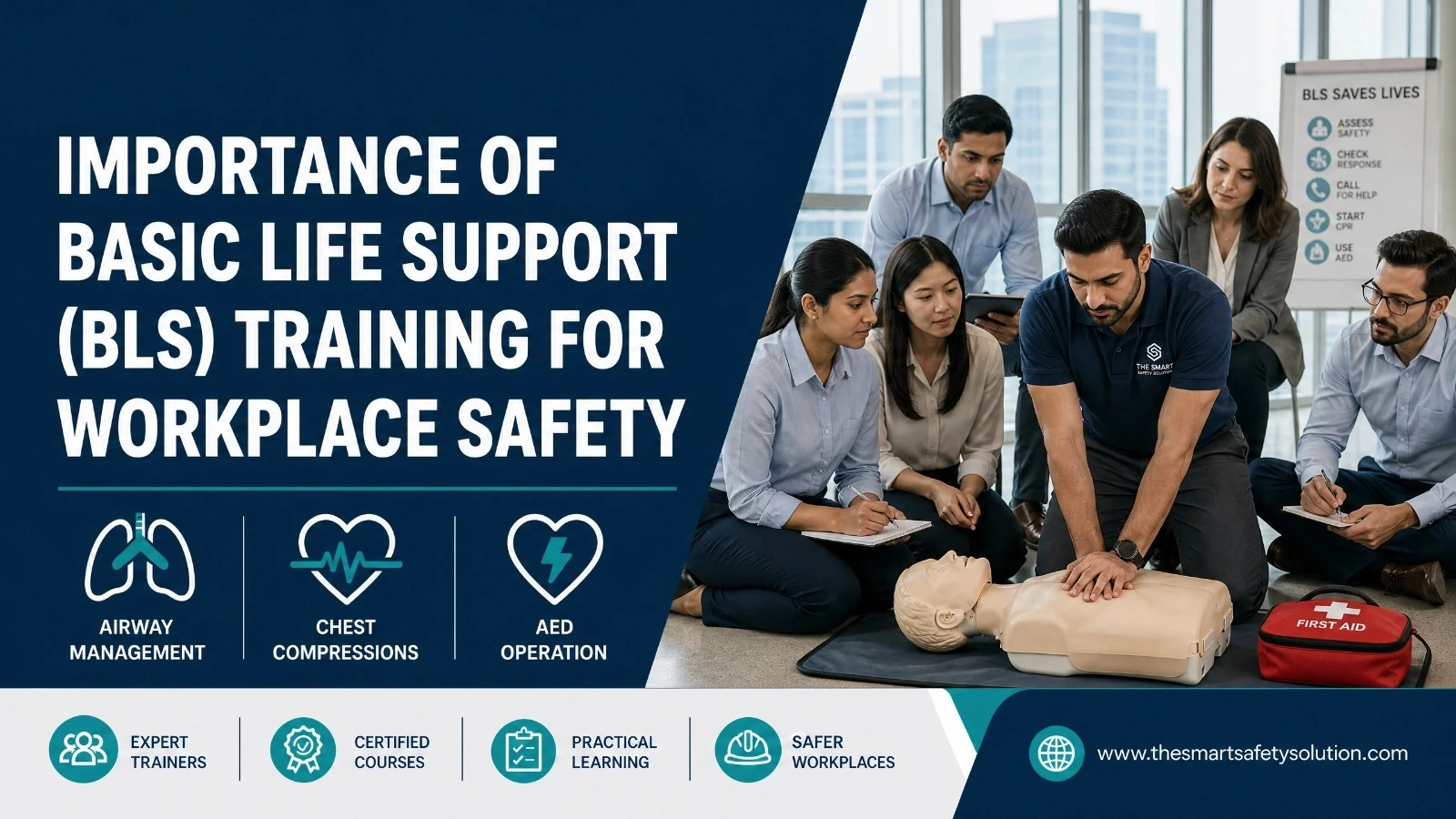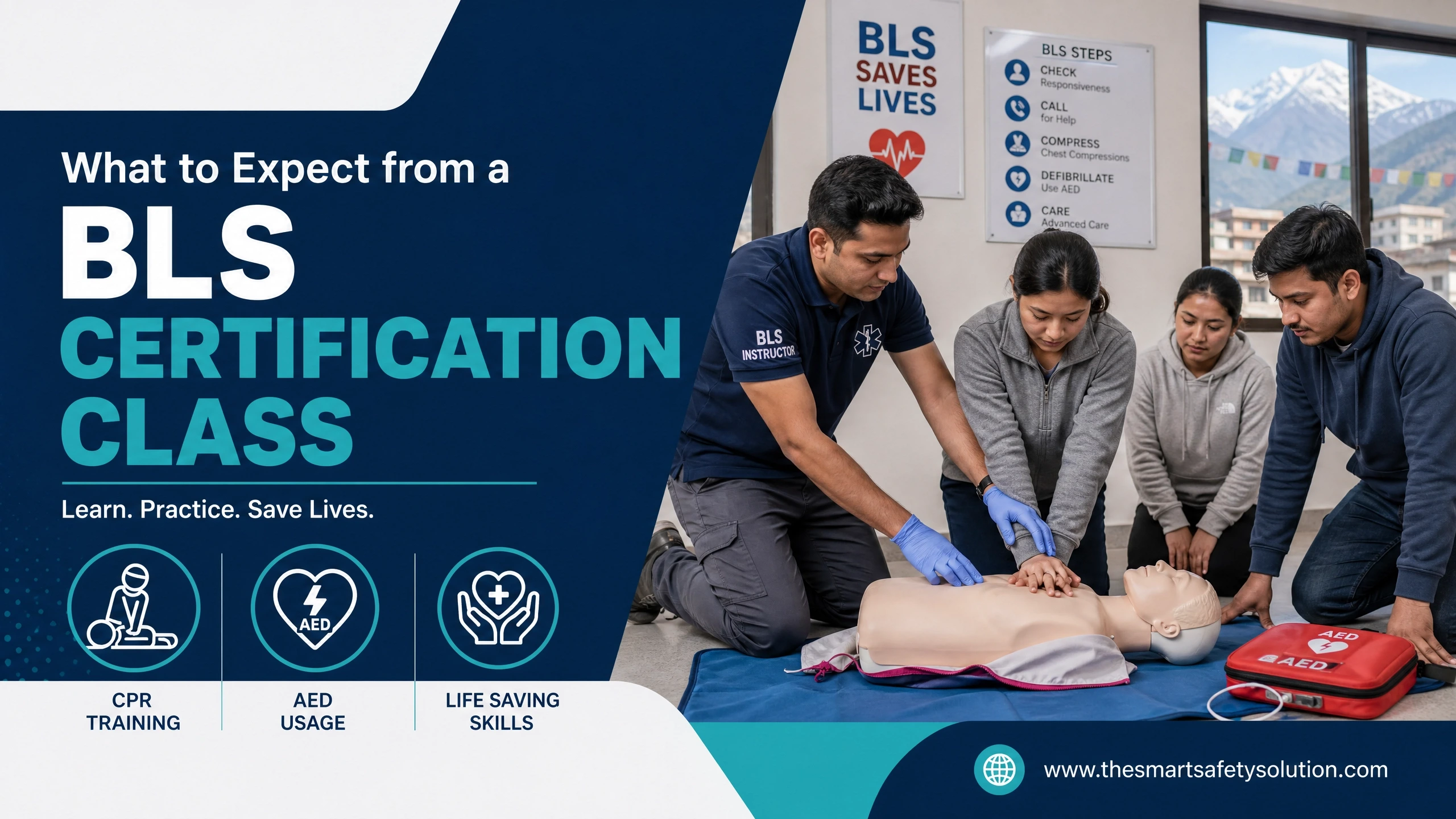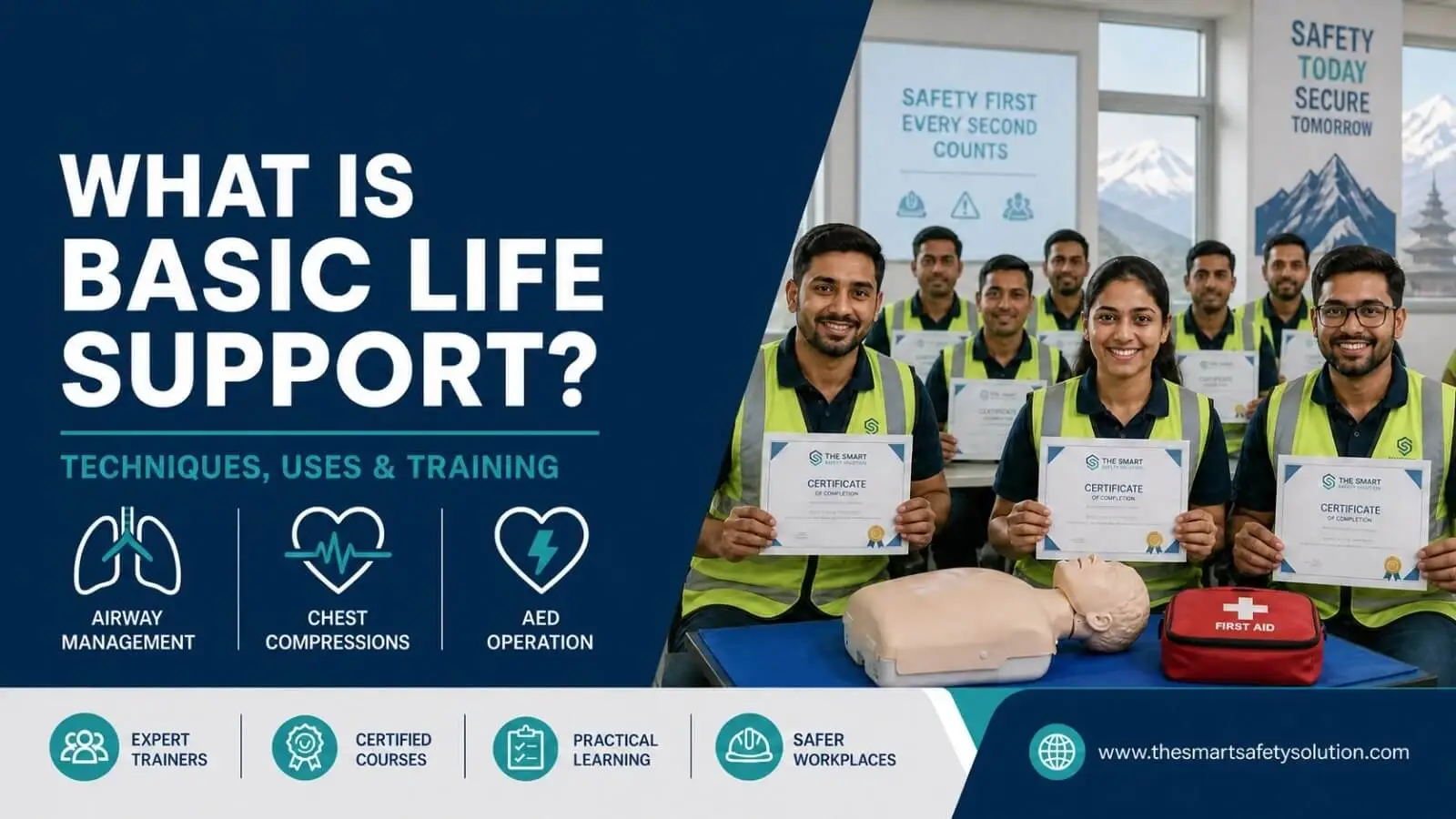
Emergencies can happen anytime and anywhere, at home, in workplaces, on roads, schools, or public spaces. In Nepal, where access to emergency medical services may be delayed in remote areas or traffic-heavy cities like Kathmandu, having trained individuals in homes, workplaces, and communities is extremely important.
Enrolling in first aid training equips people with the knowledge and confidence to stay calm, respond quickly, and provide immediate care during accidents or medical emergencies. From treating minor injuries to handling critical situations, these skills can protect lives and prevent complications.
In this article, we’ll learn about what first aid training is, why it is important, the primary objectives behind it, and the essential skills participants gain through professional instruction.
What is First Aid Training?
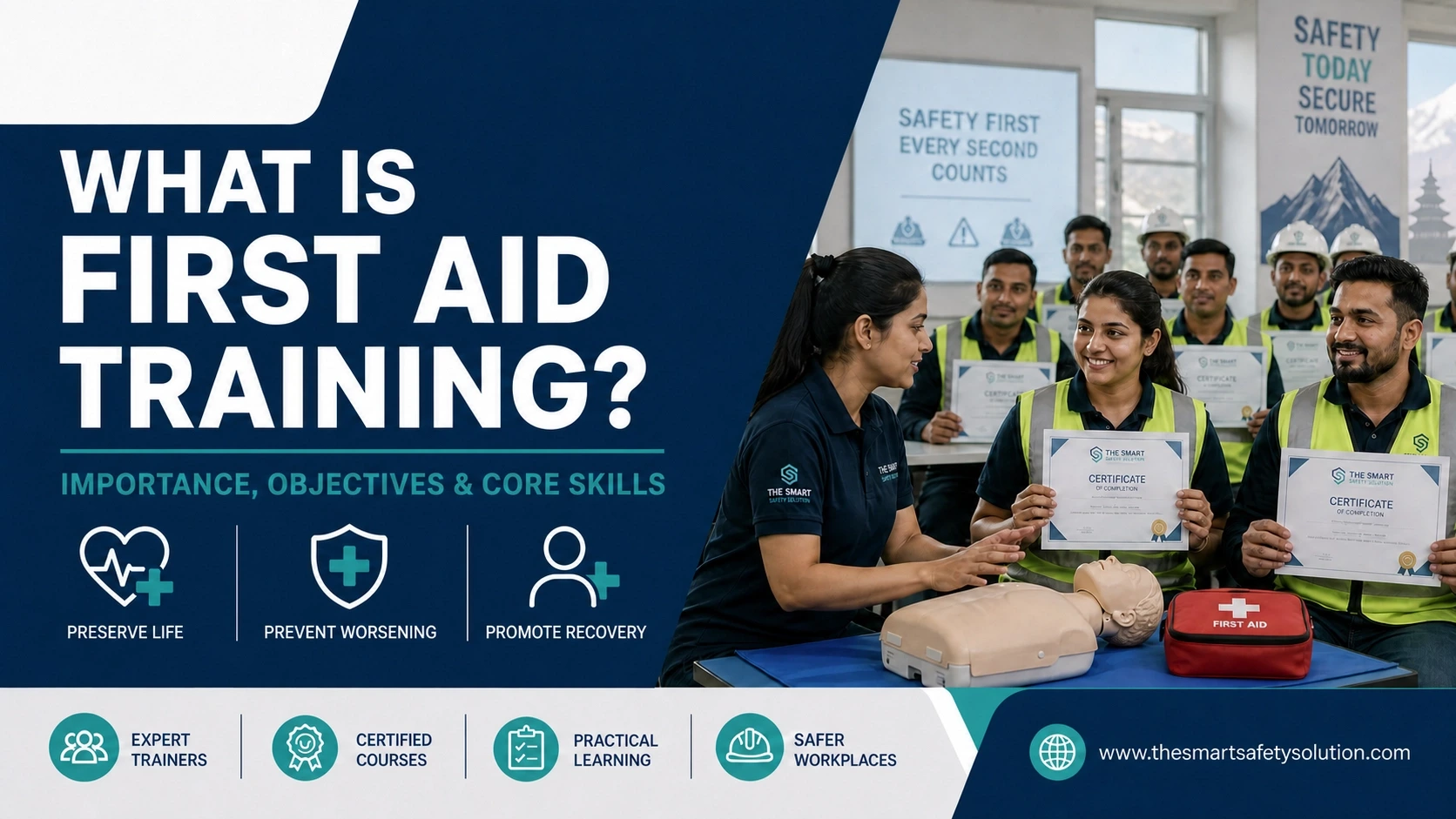
First aid training is a structured, practical learning program that teaches individuals how to respond effectively during medical emergencies before professional help arrives. It equips people with the knowledge and confidence to take immediate action when someone is injured or suddenly becomes ill.
First aid training is not about replacing doctors, or paramedics. Instead, it focuses on basic life support, emergency stabilization, and rapid decision-making during critical moments. In simple terms, it helps individuals remain calm, act quickly, and provide potentially life-saving assistance when every second matters.
The Main Objectives of First Aid Training
First aid is guided by three primary objectives that form the foundation of emergency response.
1. Preserve Life
The first and most important goal is to preserve life. This means taking immediate action like performing CPR, stopping severe bleeding, or clearing an airway to keep a person alive until professional medical help arrives. Some action includes:
- Performing CPR when breathing or heartbeat stops
- Controlling severe bleeding
- Clearing airway obstruction in choking cases
- Preventing suffocation or cardiac arrest complications
2. Prevent Further Harm
First aid training focuses on preventing further injury or complications. This includes carefully moving the patient, controlling bleeding, or protecting fractures to avoid worsening the condition while waiting for emergency response teams. Some of the measures include:
- Not moving a person unnecessarily after an accident
- Immobilizing fractures or spinal injuries
- Avoiding contamination of open wounds
- Applying proper bleeding control techniques
- Keeping the patient stable and calm
3. Promote Recovery
One of the important objectives of first aid training is to promote recovery. Proper first aid care, such as cleaning wounds, placing a person in the recovery position, or offering reassurance helps improve recovery outcomes and reduces long-term damage.
Once life-threatening risks are controlled, first aid focuses on comfort and support, such as:
- Cleaning and dressing wounds properly
- Placing unconscious but breathing patients in recovery position
- Reducing pain and stress through reassurance
- Monitoring vital signs until help arrives
Why First Aid Training Is Important in the Workplace
Workplaces from construction sites to corporate offices face different types of safety risks. Accidents such as falls, burns, electrical shocks, or sudden illness can happen without warning.
First aid training plays a critical role in maintaining workplace safety. Here’s why it matters:
1. Immediate Response Saves Lives
In emergencies like cardiac arrest or heavy bleeding, every second matters. A trained employee can provide life saving first aid before ambulance arrival.
2. Reduces Severity of Injuries
Quick and appropriate first aid can prevent minor injuries from becoming serious medical conditions.
3. Improves Workplace Safety Culture
Employees become more aware of workplace hazards, safety protocols, and preventive measures, contributing to a safer working environment.
4. Reduces Downtime and Costs
Effective first aid can reduce recovery time, lower medical expenses, and minimize compensation-related costs for organizations.
5. Builds Employee Confidence
First aid training increases confidence and preparedness, enabling employees to respond calmly and responsibly during emergencies.
6. Compliance with Safety Standards
Many organizations require basic first aid training as part of occupational health and safety policies.
Note: Many organizations now integrate first aid programs with other safety programs like fire safety training and occupational health initiatives to strengthen emergency preparedness.
Essential Skills Learned in First Aid Training
A high-quality first aid course focuses on practical, hands-on emergency response skills that can be applied in real-life situations.
1. CPR (Cardiopulmonary Resuscitation)
CPR is one of the most critical basic life skills. It is used when a person’s heart stops beating or breathing stops. CPR can save lives when performed immediately. Our first aid training teaches:
- Chest compressions at correct depth and speed
- Rescue breathing techniques
- CPR for adults, children, and infants
- When to stop CPR or hand over to professionals
2. AED Usage
An AED (Automated External Defibrillator) is a device that delivers an electric shock to restart the heart during cardiac arrest. AEDs are designed for public use, but proper training improves confidence and accuracy. First aid training teaches how to safely operate this device in emergencies. Training includes:
- Turning on the device correctly
- Placing pads on the patient
- Following voice instructions
- Ensuring safety during shock delivery
3. Choking and Emergency Response
Choking is a common but dangerous emergency. Quick action is critical in choking situations. You learn how to help someone who is choking by using techniques like abdominal thrusts to clear the airway quickly.
First aid training teaches:
- Identifying partial vs complete airway blockage
- Performing abdominal thrusts (Heimlich maneuver)
- Helping infants safely
- When to call emergency services immediately
4. Bleeding, Burns, and Wound Care
Accidents often result in cuts, burns, or injuries that require immediate attention. Proper first aid can prevent infection, reduce pain, and control bleeding before medical help arrives. First aid training helps participants learn how to manage different types of wounds and injuries safely. Our first aid training teaches:
- Controlling bleeding using pressure and bandages
- Cleaning and dressing wounds properly
- Treating minor burns and preventing infection
- Recognizing when medical treatment is necessary
5. Fracture, Sprain, and Shock Management
Broken bones, sprains, and shock can happen during falls, accidents, or injuries. Knowing how to stabilize the person and provide immediate care can prevent further complications. Our first aid training involves:
- Identifying signs of fractures and sprains
- Immobilizing injured body parts safely
- Recognizing symptoms of shock
- Keeping the patient calm and stable until help arrives
6. Recognizing Stroke and Heart Attack Symptoms
Early recognition of stroke and heart attack symptoms can save lives. Quick action and immediate medical attention greatly improve survival and recovery chances. First aid training helps individuals recognize warning signs and respond appropriately during emergencies.
First aid training teaches:
- Identifying common signs of stroke and heart attack
- Using FAST method for stroke recognition
- Providing immediate support while waiting for emergency services
- Understanding the importance of rapid medical response
7. Recovery Position and Patient Support
The recovery position is used to help unconscious but breathing individuals remain safe while waiting for emergency services. It helps keep the airway open and reduces the risk of choking. First aid training teaches proper patient positioning and supportive care during emergencies.
Our first aid training teaches:
- Placing a person safely in the recovery position
- Monitoring breathing and responsiveness
- Keeping the airway clear and open
- Providing reassurance and support until help arrives
Who Should Take First Aid Training?
First aid training is not limited to healthcare professionals. It is essential for each and every individual. It is especially important for:
- Office employees and managers
- Teachers and school staff
- Construction and industrial workers
- Drivers and transport operators
- Security personnel
- Parents and caregivers
- Students and volunteers
- Hospitality and tourism workers
In short, anyone who may encounter medical emergencies should take basic first aid training. As awareness about workplace health and safety training in Nepal continues to grow, more organizations are encouraging employees to participate in certified emergency response and safety programs.
How to Choose a First Aid Training Provider
Selecting the right first aid training provider is important because the quality of training directly affects how confidently and effectively you can respond during emergencies. A reliable training institute should focus on practical skills, certified instruction, and real-world emergency preparedness rather than only classroom theory.
Here are some key factors to consider before choosing a provider:
- Certified instructors with real emergency experience
- Hands-on practice with CPR mannequins and AED trainers
- Updated curriculum aligned with international standards
- Recognized certification (valid in Nepal and abroad)
- Realistic emergency simulations
- Positive feedback from previous participants
For individuals and organizations looking for professional first aid and workplace safety training in Nepal, Smart Safety Solutions offers practical, industry-focused first aid training programs designed to build confidence, emergency response skills, and workplace safety awareness. Their training combines expert instruction, hands-on practice, and internationally aligned safety standards to help participants respond effectively during medical emergencies.
Conclusion
First aid training is more than just a skill, it is a responsibility. It prepares individuals to respond quickly during medical emergencies, protect lives, and reduce the impact of injuries before professional help arrives.
Whether at home, workplace, or public spaces, knowing basic first aid, CPR, AED use, emergency response techniques along with basic life support training procedures can truly make the difference between life and death.
In Nepal, where timely access to emergency medical services can sometimes be challenging, first aid training plays a vital role in strengthening workplace safety and community resilience. Investing in basic first aid training is ultimately an investment in saving lives.
Frequently Asked Questions (FAQs)
Yes. First aid training is highly important in workplaces because accidents and medical emergencies can happen unexpectedly. Trained employees can provide immediate care during incidents such as falls, burns, choking, electric shocks, or cardiac arrest.
No. First aid training is designed to be simple, practical, and easy to understand for people without medical backgrounds. Most courses use hands-on demonstrations, real-life scenarios, and guided practice sessions to build confidence and emergency response skills.
The 7 basic steps of first aid help individuals respond safely and effectively during emergencies:
- Ensure safety: Check the area for danger before approaching the injured person.
- Assess the situation: Identify what happened and the severity of the injury or illness.
- Call for help: Contact emergency medical services or ask someone nearby to help.
- Check responsiveness and breathing: Determine if the person is conscious and breathing normally.
- Provide immediate care: Perform CPR, control bleeding, or manage choking if necessary.
- Keep the patient stable: Prevent further injury and monitor the person’s condition.
- Wait for professional help: Continue supporting the patient until medical professionals arrive.
Anyone with basic first aid knowledge or training can perform first aid. You do not need to be a doctor or healthcare professional to help during an emergency. In fact, immediate assistance from trained individuals often saves lives before medical teams arrive.
The purpose of first aid training is to prepare individuals to respond confidently and effectively during medical emergencies before professional medical help arrives.