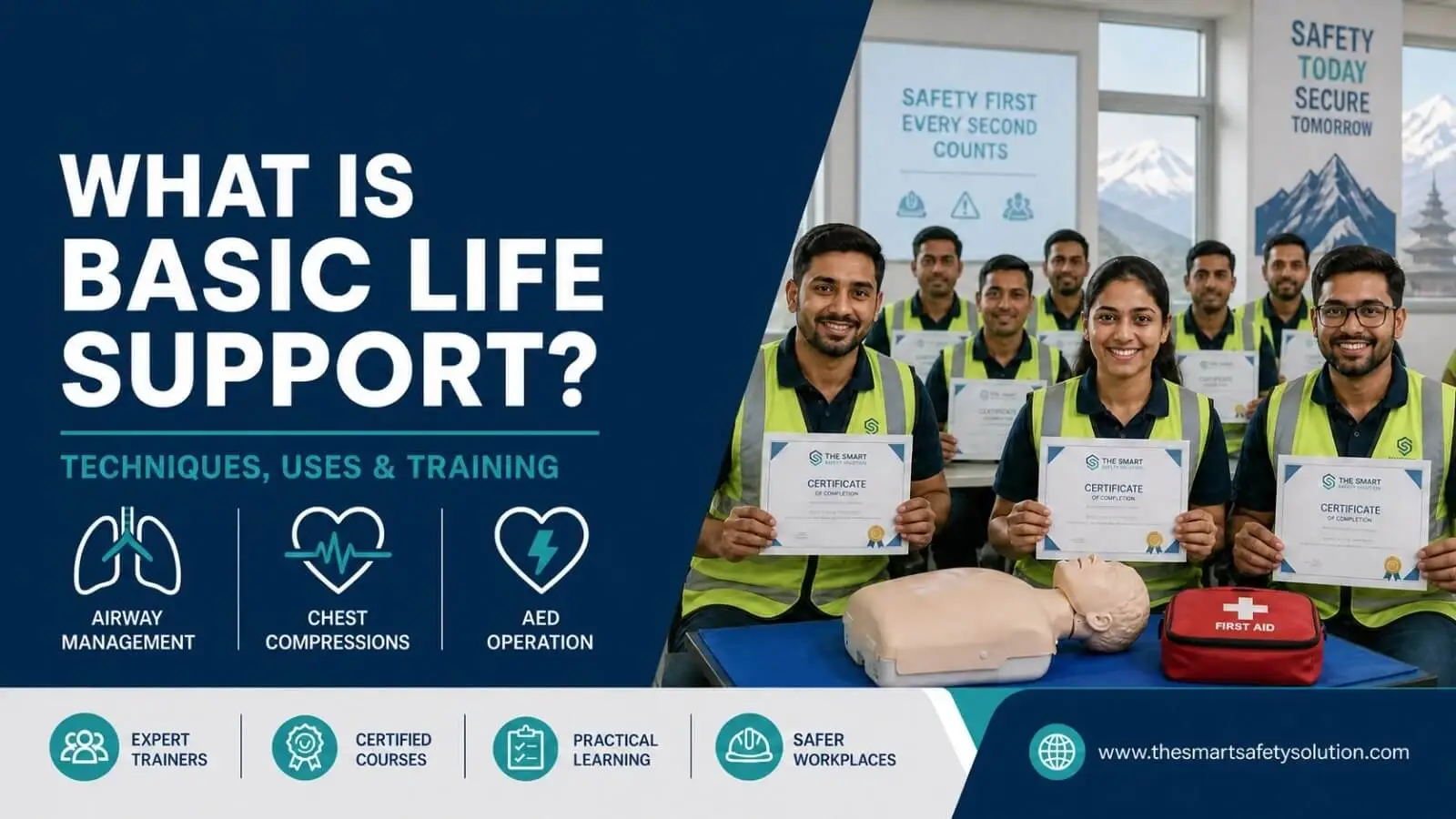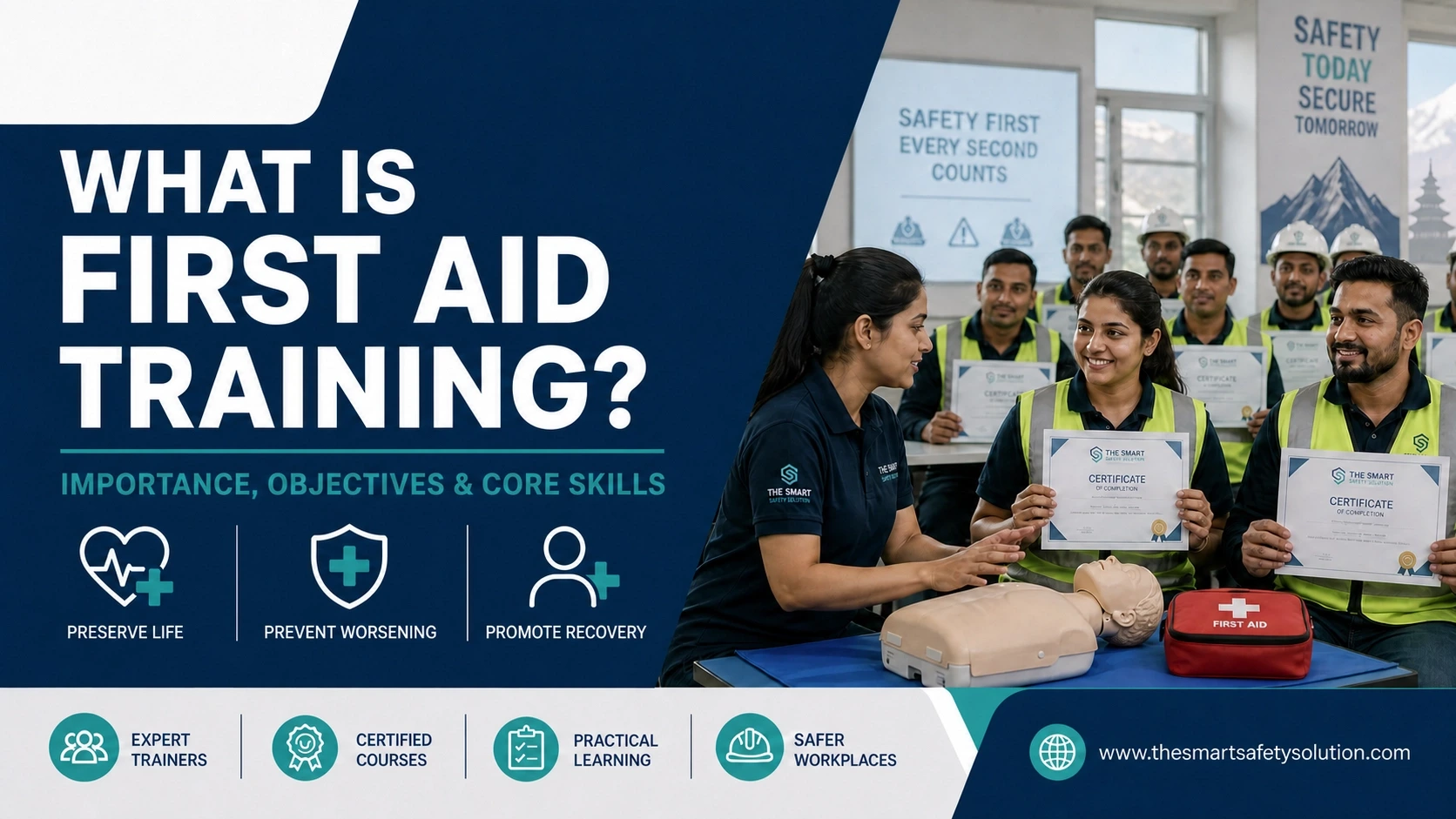
Basic Life Support (BLS) encompasses the fundamental emergency medical procedures designed to sustain life by maintaining airway, breathing, and circulation during life-threatening crises. This essential training empowers bystanders and healthcare providers in Kathmandu to intervene effectively during cardiac or respiratory arrest before professional medical teams arrive.
- Identify sudden cardiac arrest: Assess the scene for safety and check the victim for responsiveness and normal breathing to determine the need for immediate intervention.
- Activate the emergency response system: Dial 102 immediately to reach the Nepal Ambulance Service or contact local Kathmandu hospitals like Tribhuvan University Teaching Hospital (TUTH) for rapid professional assistance.
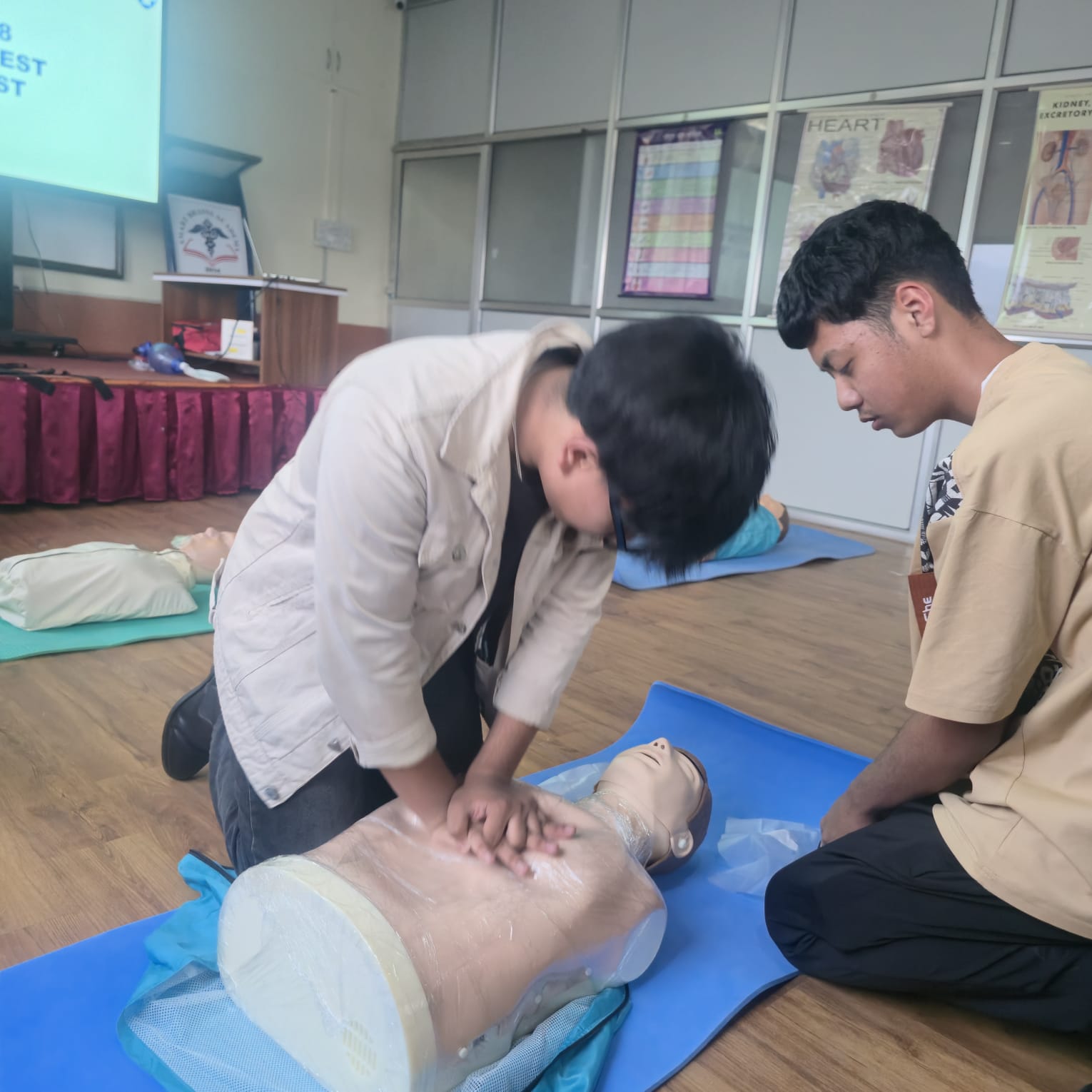
- Initiate high-quality chest compressions: Deliver rhythmic pressure at a rate of 100–120 compressions per minute and a depth of at least 2 inches to maintain blood flow to vital organs.
- Manage the airway: Utilize the “head-tilt, chin-lift” maneuver to clear obstructions and ensure a patent path for oxygen delivery during resuscitation efforts.
- Provide effective rescue breaths: Administer two breaths after every 30 compressions, ensuring visible chest rise while avoiding excessive ventilation to optimize oxygenation.
- Operate an Automated External Defibrillator (AED): Follow voice prompts from the device to deliver a controlled electric shock if a shockable rhythm like ventricular fibrillation is detected.
- Mitigate choking hazards: Perform the Heimlich maneuver (abdominal thrusts) on conscious adults or back blows and chest thrusts on infants to clear foreign body airway obstructions.
- Seek AHA-certified certification: Enroll in Our Basic Life Support Training which is an accredited course similar to institution like Nepal Red Cross Society (NRCS) to gain hands-on experience with mannequins.
- Adopt Nepali-language resources: Utilize localized training materials and video-based courses provided by the Smart Safety Solution to ensure clear communication and understanding of life-saving protocols in the local context.
- Maintain skills proficiency: Refresh your BLS certification every two years to stay updated with the latest International Liaison Committee on Resuscitation (ILCOR) guidelines and local emergency protocols.
Frequently Asked Questions (FAQs)
Basic Life Support (BLS) certification from the Red Cross provides essential training for healthcare clinicians and public safety professionals who respond to cardiac and breathing emergencies.
BLS includes chest compressions, rescue breathing, airway management, and automated external defibrillator (AED) use until advanced medical care arrives. Key BLS components: Scene safety assessment, CPR (cardiopulmonary resuscitation), AED operation, airway management, and emergency medical services (EMS) activation.
The good news is that the BLS written test isn't designed to trick you. It's designed to make sure you understand life-saving techniques well enough to apply them under pressure. That means if you know the core concepts, you'll do just fine.
A – Airway: Make sure the airway is clear. B – Breathing: Check for breathing and give rescue breaths if needed. C – Circulation: Perform chest compressions if no pulse or signs of circulation.
Cardiopulmonary Resuscitation (CPR) is a foundational, life-saving skill for anyone, while Basic Life Support (BLS) is an advanced, healthcare-specific version of CPR. Both teach chest compressions and rescue breaths, but BLS goes further by including medical equipment and team dynamics.
First aid addresses the wide range of injuries and illnesses you're likely to encounter in most settings, while BLS provides specialized skills for cardiac emergencies that healthcare professionals and high-risk industry workers face.